
News
Our news, editorial, and analysis on federal policy surrounding higher education’s most pressing issues.
Press
The third rail of higher education reform
Source: Fixing accreditation
A student entering college today is more likely to leave with debt than a degree, and 31 million Americans have some college credit, but no degree or credential at all. Yet the degree is still the North Star for economic opportunity: a bachelor’s degree-holder earns one million dollars more over their lifetime than their peers with only a hig...
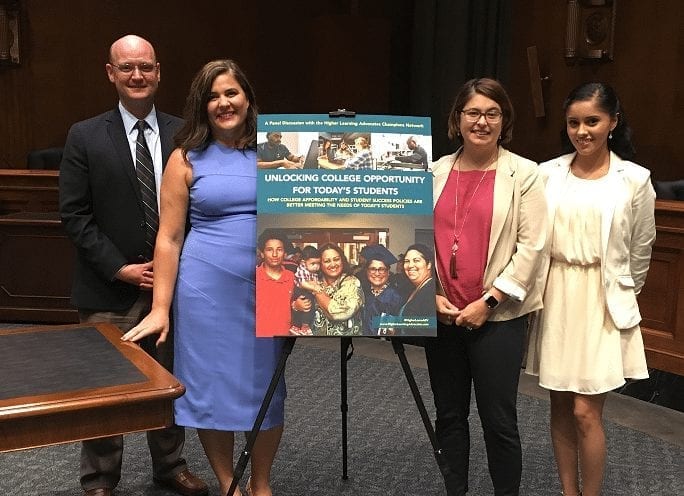
State Leaders Press for Student-Centered Higher Education Policies
National higher education policy should be built around the needs and priorities of students, who are taking different pathways through higher education as part-time students, adults, workers, transfers, parents, and more. At Higher Learning Advocates’ first Champions Network briefing on Capitol Hill, “Unlocking College Opportunity for Today’...

Walmart’s Big College Tuition News: How Employers Are Stepping Up to Help More Working Adults Earn a Degree
Recently, retail giant Walmart, the largest private employer in the nation, made big news in higher education by announcing a new tuition assistance program available to all of its U.S. employees. Walmart’s new program will enable its workers who do not currently hold a college degree to enroll at one of three universities for only…
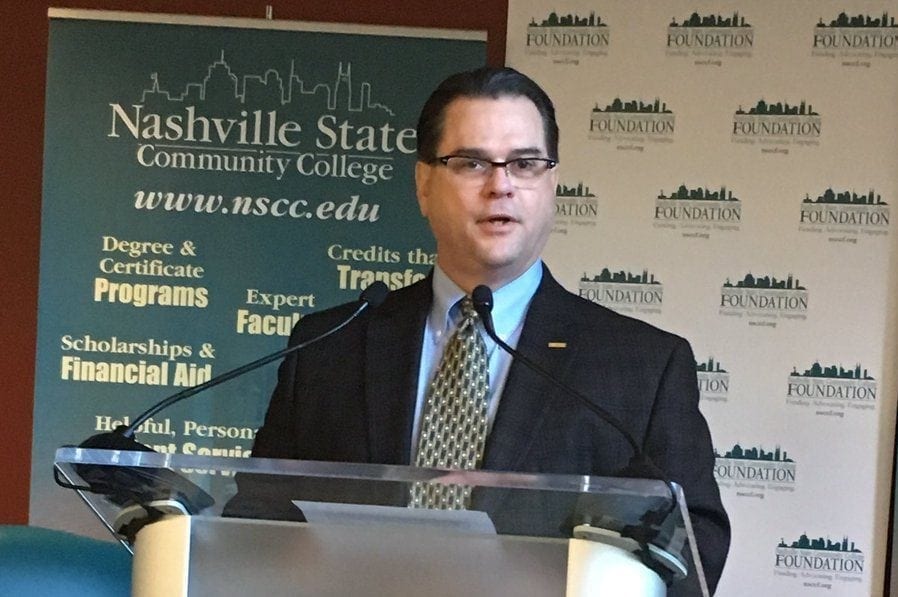
This Tennessee Business Leader Has a Blueprint for Closing the Skills Gap
Joey Hatch, a recently retired construction executive and member of the Tennessee Board of Regents, credits his career success to a journey through higher education that started forty-five years ago— at college and career night put on by his local high school. “I love telling my story of how I got involved in higher education…
The Keys to Quality: Reforming Higher Education Accreditation Policy
The key to assuring higher education quality in the U.S. is accreditation, the complex system used by the Federal government as a gate-keeping mechanism to over $130 billion annually in federal student aid. But federal accreditation policy has become almost entirely focused on compliance and bureaucratic procedures, instead of what counts: student ...
Reforming Higher Education Accreditation Policy
Today’s students deserve a system of higher education that delivers high-quality results and a guarantee of economic success and upward mobility. The key to assuring higher education quality in the U.S. is accreditation, the complex system used by the Federal government as a gate-keeping mechanism to over $130 billion annually in federal student ...
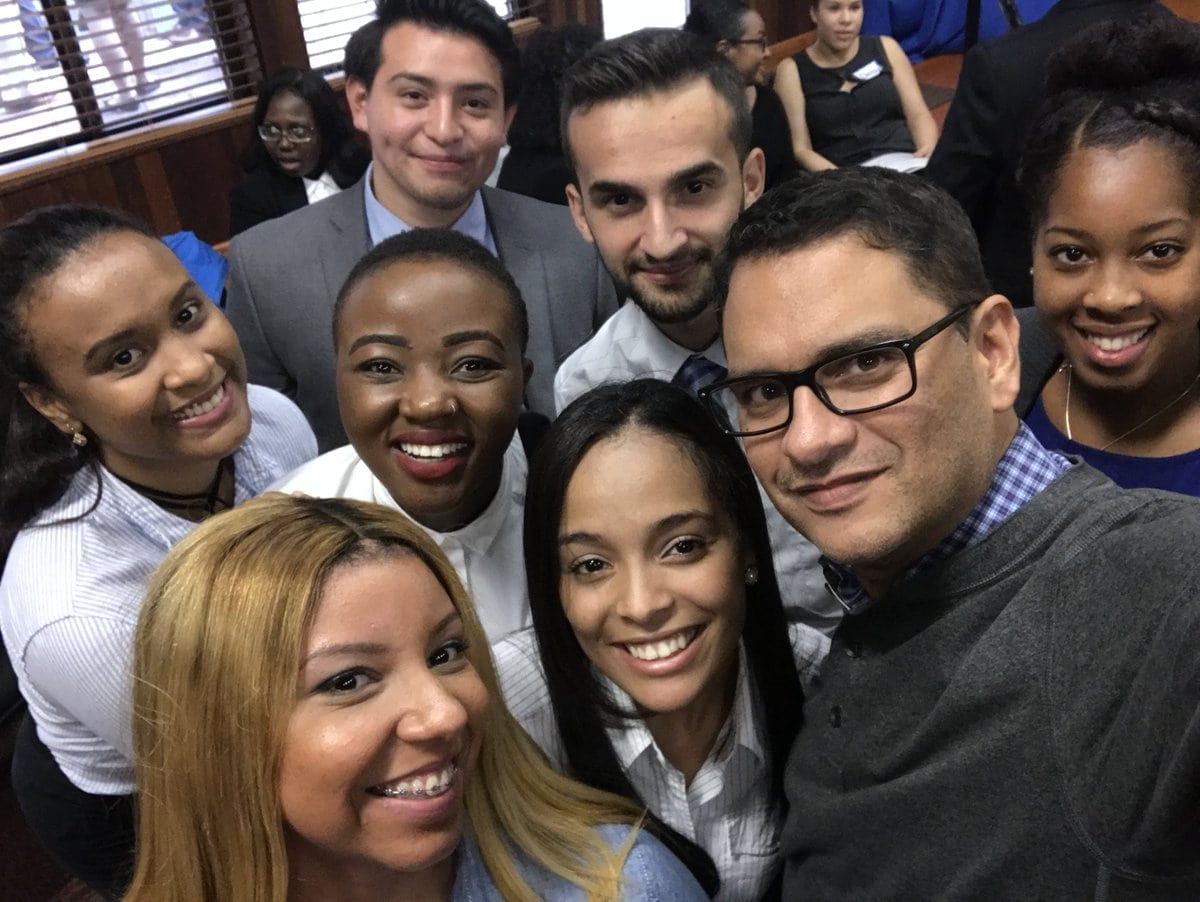
Jose Luis Cruz’s Fight to Expand Opportunity for Today’s Students
Dr. José Luis Cruz has a national reputation as a powerful voice for equity, opportunity and accountability in higher education. As an innovative administrator and advocate for low-income students, he has been at the forefront of efforts to enact effective policies that can deliver a high-quality college education for all of today’s students. Dr...

May News & Updates
Issue Update: Accreditation Reform Armed with Better Data, Will Accreditors Finally Have to Act? In the midst of key conversations happening at last week’s NACIQI meeting, Policy & Advocacy Director Emily Bouck co-authored a blog post with Michael Itzkowitz from Third Way and Clare McCann from New America, discussing the new comprehensive com...

Ask the Experts: Accreditation Reform
Accrediting agencies are responsible for doling out the “stamp of approval” that institutions of higher education need to be eligible to accept federal student aid. Though the federal government invests over $130 billion annually in federal financial aid for today’s students, federal policy does not have a clear focus on ensuring that student...

Armed with Better Data, Will Accreditors Finally Have to Act?
Twice a year, a body of accreditation experts known as NACIQI–the National Advisory Committee on Institutional Quality and Integrity–gathers in a windowless conference space to debate the finer points of accreditation. And for the last two years, NACIQI members have come prepared with data on student outcomes to ask accreditors why some...
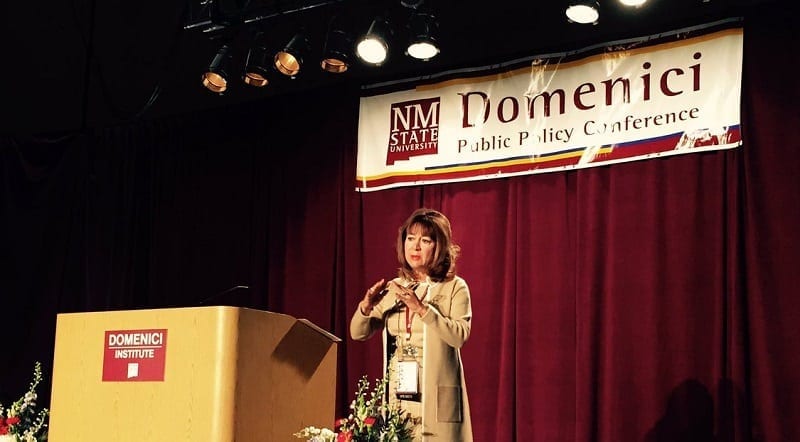
An Advocate for Student Outcomes Shares What Higher Ed Can Learn from Health Care Administration
Barbara Damron was not only the first in her family to go to college, she was the first to go to high school. Driven by a passion for public policy-making and a calling for helping others, Secretary Damron’s health care career spanned more than 25 years, including work as an advanced practice nurse, educator, scientist,…

Michele Siqueiros: A Leading Voice for Affordability, Access, Success and Equity in Higher Education
Policy matters, and it played an important role in Michele Siqueiros’ life. Effective college affordability policies provided her with an opportunity to go to college and ultimately get her master’s degree. This kickstarted a series of life-altering experiences that led her down a career dedicated toward improving policy and social mobility thr...
Read the HLA blog on Medium
As featued in